
A calculator can estimate calories burned while cycling, but it is not a laboratory result. Body weight, riding time and effort all matter. Speed helps, but it is only a rough stand-in for effort because wind, hills and traffic have a habit of ignoring spreadsheets.
Assumes you can already ride. This is not a weight-loss plan, medical guide or replacement for a structured training program.
Calories Burned Cycling Calculator
This estimate uses the MET method. MET means metabolic equivalent of task: a way of describing how demanding an activity is compared with resting. We use three broad cycling categories:
- Easy recreational riding: roughly 16-19 km/h (10-12 mph), using 4 METs.
- Moderate road riding: roughly 19-22 km/h (12-14 mph), using 6.8 METs.
- Harder sustained riding: roughly 22-26 km/h (14-16 mph), using 8 METs.
The calculation is:
Calories per minute = MET x 3.5 x body weight in kilograms / 200
Total estimated calories = calories per minute x ride duration in minutes
These are gross calories. They include the energy your body would have used during that time even if you had been resting. They are not a precise measure of the extra calories caused only by cycling. A device that reports “active calories” may show a lower number.
Use moving time if you have it. If you only know elapsed time, enter that instead and understand that long cafe or traffic stops will make the estimate less representative of the time you were actually pedaling. The result is an estimate, not permission to eat back every calorie shown.
Calories Burned Cycling by Weight, Speed and Time
The table below shows rounded estimates for a continuous 60-minute ride. The speed descriptions are broad assumptions, not rules. A strong rider into a headwind may work much harder at 16 mph than another rider cruising downhill at the same speed.
| Body weight | Easy recreational riding (4 METs) |
Moderate road riding (6.8 METs) |
Harder sustained riding (8 METs) |
|---|---|---|---|
| 50 kg / 110 lb | 210 calories | 357 calories | 420 calories |
| 70 kg / 154 lb | 294 calories | 500 calories | 588 calories |
| 90 kg / 198 lb | 378 calories | 643 calories | 756 calories |
| 110 kg / 243 lb | 462 calories | 786 calories | 924 calories |
These figures are deliberately rounded and follow the stated MET formula. The harder categories can still look high because the formula estimates total energy expenditure, not just the additional energy from pedaling.
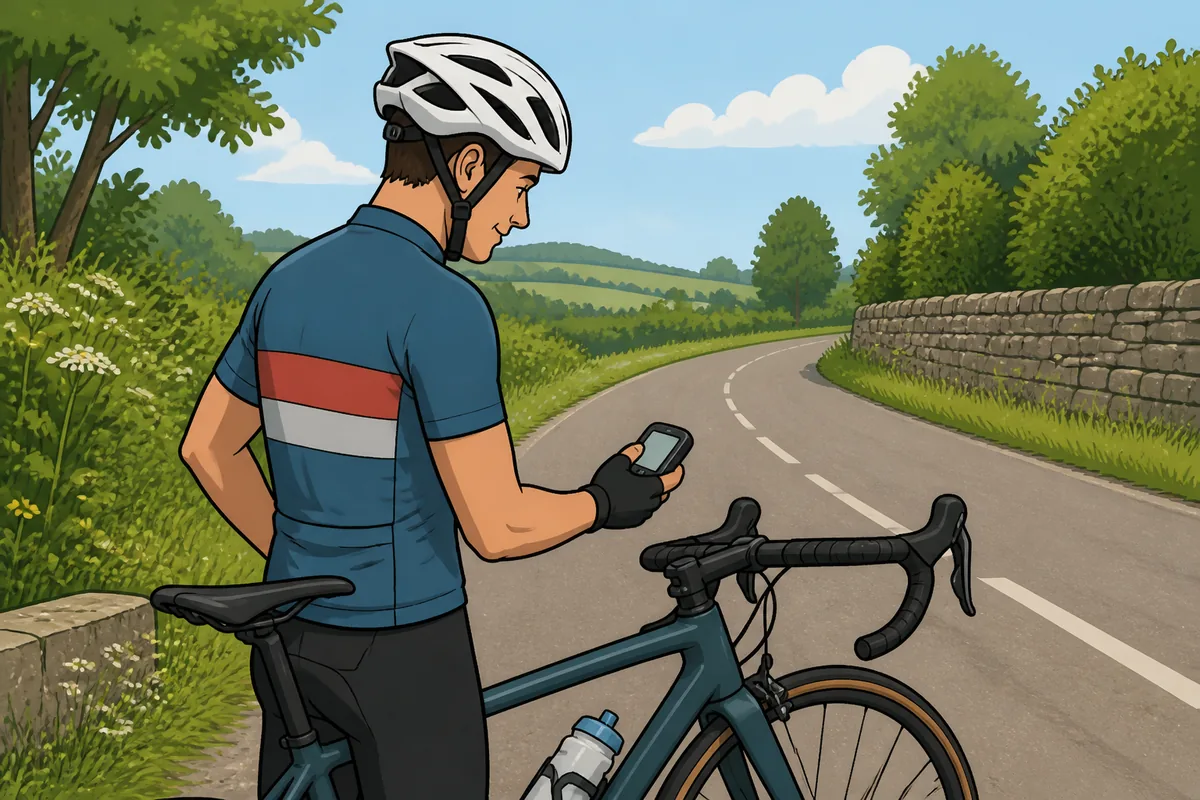
Duration is just as important as intensity. A short, hard ride can burn more calories per minute, but a longer comfortable ride may produce the larger total. For the example below, the reference rider weighs 70 kg and rides at the moderate 6.8 MET estimate.
| Ride duration | Estimated gross calories |
|---|---|
| 30 minutes | 250 calories |
| 45 minutes | 375 calories |
| 60 minutes | 500 calories |
| 90 minutes | 750 calories |
| 120 minutes | 1,000 calories |
The MET categories used here are based on published activity-intensity values in the 2024 Adult Compendium of Physical Activities. The figures remain estimates because real-world cycling rarely stays at one exact intensity for an entire ride.
Why Your Cycling Calorie Number May Be Different
Body weight has a clear effect. At the same estimated workload, a heavier rider generally uses more energy to move both rider and bike. The calculation does not know your body composition, pedaling efficiency or riding economy, so two riders of the same weight can still get different real results.
Speed is only a proxy for effort. A flat ride into a strong wind can be demanding at a modest speed. A smooth descent can produce a high speed with little pedaling. Gradient, road surface, drafting, riding position, bike weight, traffic stops and acceleration all change the work required.
That is why a stop-start commute and a continuous ride with the same elapsed time will not necessarily burn the same number of calories. Select an effort category that reflects how the ride actually felt, rather than choosing one based only on average speed.
Indoor trainers and cycling apps add another layer of uncertainty. Some use speed, some use heart rate, some use power, and some combine several inputs. A basic cycling computer may have no useful way to account for wind or gradient. A heart-rate monitor can provide more personal data, but its calorie algorithm is still an estimate. A power meter measures a valuable part of cycling effort, but it does not directly measure every part of your body’s energy use.
Different platforms may also report gross calories or active calories. That distinction alone can create a large difference without either device being wrong in the way riders usually mean.
How to Use the Estimate Without Overreading It
The safest use for this calculator is comparison. Use it to compare similar rides over time: roughly the same route, duration and effort. It can help you see that riding for longer generally adds up, but it cannot predict exact weight change or prescribe your food intake.
For training, record duration, distance, perceived effort and recovery alongside the calorie estimate. Those details tell you more about whether a ride was manageable and repeatable. Chasing the biggest calorie number can encourage poor decisions, such as riding too hard when you are tired or turning every outing into a test.
For most beginners, consistent comfortable riding matters more than buying equipment in pursuit of a higher number – start with a sensible distance from how many miles a beginner should cycle. A reliable bike, sensible gearing and a comfortable saddle can make it easier to ride regularly. They do not magically increase the calories burned, and an expensive upgrade will not make this calculator more accurate.
Calorie estimates deserve extra caution if you are managing diabetes, an eating disorder, pregnancy or another medical condition affected by exercise or food intake. Seek advice from an appropriate healthcare professional instead of using a general calculator as a prescription. General activity guidance is available from the CDC.
Common Questions About Calories Burned Cycling
Why do cycling apps give different calorie estimates?
Apps may use different inputs and algorithms, and they may report gross calories or active calories. Speed-only estimates also miss hills, wind, stops, drafting and changes in effort. Treat the number as a consistent reference within one app, not as an exact measurement to compare blindly with every other device.
Does cycling faster always burn more calories?
Usually, cycling faster requires more effort per hour, so the estimate rises. But speed is only a rough proxy. Wind, gradient, traffic and riding position can make a slower ride harder than a faster one on a favorable route.
Can an easy long ride burn more calories than a short hard ride?
Yes. A hard ride may burn more calories per minute, but a longer easy ride can produce the larger total. Duration is why the most useful comparison is intensity multiplied by the time you can realistically sustain.
Use the calculator for sensible comparisons, keep the assumptions visible, and do not turn an estimate into a promise. A repeatable ride you enjoy is usually more valuable than an impressive number you cannot reproduce.

I’ve spent way more time in the bike trade than anyone should reasonably want to. In that time I’ve wanted to make cycling jargon and marketing easier to cut through to help people get the bike of their dreams.
When I’m not writing about bikes, I can be seen out bikepacking on single speed bikes or teaching kids how to ride.
![How To Use A Presta Valve Adapter [Step-by-step Guide & Video]](/wp/wp-content/uploads/jch-optimize/ng/wp_wp-content_uploads_2023_05_howtouseaprestavalveadapter-500x300.webp "How To Use A Presta Valve Adapter [Step-by-step Guide & Video]")