How far a beginner should cycle is not a heroic number pulled from a club ride. For a reasonably healthy beginner on mostly flat, familiar roads, around 5 to 10 miles is a sensible starting range. If you are currently inactive, 2 to 5 miles is the safer place to begin.
The right distance is one you can finish with control, without crawling home and needing three days to recover. Time, effort, terrain and how you feel the next day matter more than the number on your cycling computer.
Assumes you can already balance, pedal and control the bike. If you are still learning those basics, start with how to start cycling rather than treating your first outing like a fitness test.
The short answer: start with a distance you can finish comfortably
For many new or returning cyclists, 5 miles is enough for an early ride. It gives you time to settle into the bike, notice any comfort problems and learn how your body responds without turning the outing into an expedition.
Once 5 miles feels controlled, you might extend the ride toward 8 or 10 miles. That does not mean every beginner should ride 10 miles immediately. A flat 10-mile route with a tailwind is a very different job from 5 miles of hills, traffic and a headwind. The mileage may look tidy; your legs are not obliged to agree.
A successful beginner ride usually has these characteristics:
- You can maintain control and a reasonably steady pace.
- Your breathing is noticeable but manageable, and you can speak in short sentences.
- You finish with enough energy to get home safely if the route is an out-and-back.
- You have no worsening pain during the ride.
- You recover normally and could consider riding again after a rest day.
An e-bike, heavy hybrid, low tire pressure, strong wind or a hilly route all change the effort behind the same distance. Do not compare your 6 miles against someone else’s 10 until you know the conditions were remotely similar.
Choose your starting distance by fitness, frequency and terrain
Your current activity level is a better starting point than an arbitrary mileage target. Someone who walks regularly or plays another sport may cope well with 8 to 10 easy miles. Someone returning after a long break may still be better served by 3 or 4 miles, even if they were once fit.
| Rider or route | Sensible starting point |
|---|---|
| Currently inactive | 2 to 5 easy miles. Prioritize comfort and recovery; repeat this distance before adding more. |
| Generally active, but new to cycling | 5 to 10 mostly flat miles at a conversational effort. |
| Returning cyclist | 5 to 10 miles, or a familiar distance that previously felt easy. Leave room for lost cycling-specific fitness. |
| Riding two or three times per week | Short, easy rides are usually more useful than one large weekend ride. Add distance only when recovery is good. |
| Hilly, windy or rough route | Use time and effort first. A 30-minute ride may be more appropriate than chasing a particular mileage number. |
Frequency changes the decision too. If you cycle once a week, allow more recovery and resist compensating with a long ride. One big weekend outing can leave you sore enough to avoid the bike for the next fortnight. Two or three easy rides usually provide more useful practice and steadier progress, provided you are recovering well.
Terrain matters even more than many beginners expect. Five hilly miles can be harder than 10 flat miles, particularly if you are pushing a heavy bike or stopping frequently. Rough surfaces, junctions, traffic and route-finding also increase fatigue because you are working mentally as well as physically.
Keep the effort easy enough that you are not constantly gasping. You do not need power data or formal training zones for this stage. If you want a more structured routine later, our guide to the cycling training routine can help without making your first rides resemble a laboratory experiment.
Small equipment basics can materially affect the distance you can ride. A floor pump and correctly inflated tires reduce unnecessary rolling resistance and make the bike feel less sluggish. A saddle set at a sensible height matters more than expensive wheels or carbon parts. Beginners should not buy performance equipment to solve a pacing or setup problem.
How to build from 5 or 10 miles without overdoing it
Repeat a comfortable distance until it feels controlled before extending it. Once the ride feels manageable and recovery is normal, add roughly 1 to 3 miles, or extend the ride by about 10 to 15 minutes.
That is a practical progression, not a medical rule. Some weeks you will add distance; other weeks you will repeat the same route. Increase only one main variable at a time: distance, ride duration, hills or headwinds, speed or harder efforts, or number of weekly rides.
If you increase all of them together, you may discover more about fatigue than you intended. Keep most rides easy, especially when you are building consistency. A modest ride that you can repeat is more valuable than an impressive one-off that interrupts the next week.
Example: starting with 5 miles twice a week
| Week | Practical approach |
|---|---|
| 1 | Two easy rides of around 5 miles. Concentrate on a comfortable route and steady effort. |
| 2 | Repeat 5 miles if you are still adapting. If recovery is good, make one ride 6 to 7 miles. |
| 3 | Ride around 6 to 8 miles twice, or keep one ride at 5 miles if the longer route felt demanding. |
| 4 | Use an easier week if needed. Otherwise, make one ride 8 to 10 miles and keep the other shorter. |
You do not have to follow that table exactly. Poor sleep, illness, hot weather, work stress and a demanding route are valid reasons to repeat a week or reduce the distance. Progress is rarely a straight line, and trying to force it usually produces a less useful result.
When distance is the wrong thing to chase
Mileage works well when you ride similar roads in similar conditions. It becomes a poor comparison on hilly, windy, technical or unfamiliar routes. On those days, choose a time limit instead. A 30- or 45-minute easy ride can keep the effort sensible without turning every climb into a failed distance target.
Use these signs to judge whether the distance is appropriate:
- Your breathing settles when you ease the pace.
- You can keep pedaling without repeatedly grinding a very hard gear.
- Any normal muscle fatigue is manageable and does not worsen sharply.
- You have no persistent or worsening joint, back, knee or saddle pain.
- You feel broadly recovered by the next day.
Stop riding if you experience sharp or persistent pain, dizziness, unusual breathlessness or chest symptoms. Seek appropriate medical advice for concerning symptoms, particularly if they do not settle promptly. General exercise guidance from the NHS also supports building activity gradually rather than treating every session as a test of character.
Do not copy a club ride, charity-ride target or online beginner plan without adjusting it for your route and current fitness. The safest default is simple: consistency at a modest distance beats an impressive one-off ride.
A simple beginner cycling-distance plan
- Flat commute: Begin with the one-way distance if possible, or practice the route at a quiet time with a bailout option. Do not make the first attempt a race to work.
- Weekend fitness ride: Start around 5 to 10 easy miles, then add 1 to 3 miles when the current distance feels routine.
- Hilly local route: Set a time target instead, such as 30 minutes, and accept that the mileage will be lower than on flat roads.
- Once-a-week rider: Keep the route conservative and allow recovery. A short ride you repeat beats a long ride followed by two missed weekends.
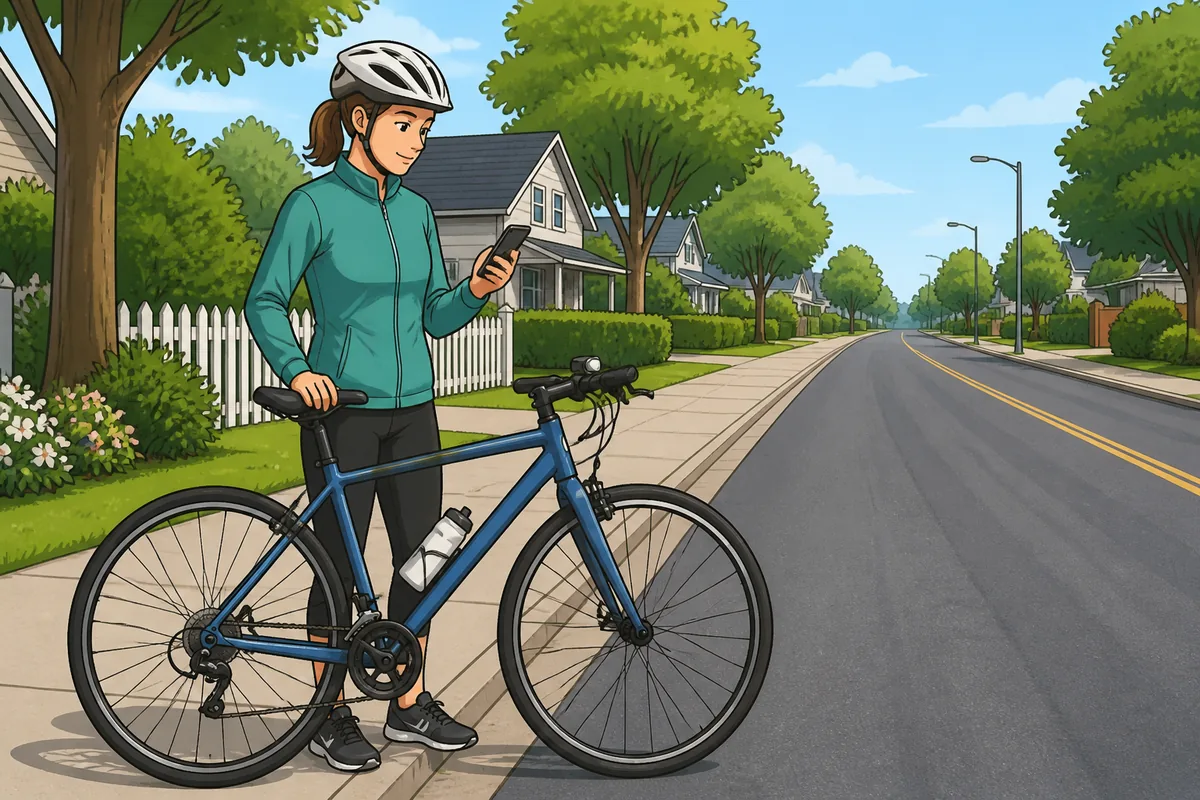
Before setting off, choose a route you can shorten, take water, carry a phone, use lights where conditions require them and wear a properly fitted helmet. A charged bike computer or phone is useful if it helps with navigation, but it is not a requirement. The bike does not award bonus miles for having more screens.
For a more structured schedule, see our guide to the cycling training routine. When you are ready to talk about effort rather than miles alone, cycling training zones explain heart rate, power and RPE without turning every beginner ride into a lab test. For an ordinary early ride, choose a route that leaves you in control, make the easy option genuinely easy, and let repeatable progress do the work.

I’ve spent way more time in the bike trade than anyone should reasonably want to. In that time I’ve wanted to make cycling jargon and marketing easier to cut through to help people get the bike of their dreams.
When I’m not writing about bikes, I can be seen out bikepacking on single speed bikes or teaching kids how to ride.